 |
Published January, 7, 2026 |
Traffic Laws in New York City
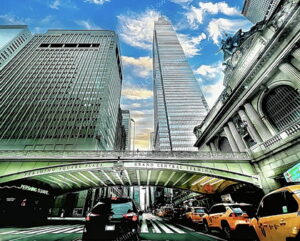
Traffic laws in New York City include several rules that are stricter or more specific than traffic laws enforced elsewhere in New York State. These differences focus on pedestrian safety, congestion reduction, parking rules, and dense urban driving conditions.
Understanding these NYC-specific traffic laws can help drivers avoid costly tickets, points, and insurance increases, especially when driving within the five boroughs, where enforcement is often more aggressive.
How Traffic Laws in New York City Differ From the Rest of New York State
While New York State sets baseline traffic laws, New York City is permitted to impose additional restrictions due to population density, pedestrian volume, and traffic congestion. These local rules often surprise drivers who are familiar with state laws but not NYC-specific regulations.
Lower Speed Limits in New York City
One of the most significant differences is the default speed limit. In most of New York State, the default speed limit is 55 mph unless otherwise posted. In New York City, the default speed limit on most streets is 25 mph.
Certain areas have even lower limits. School zones and designated safety corridors may be set at 20 mph. These limits apply even when traffic appears light and enforcement is active throughout all boroughs.
Speeding in NYC often results in higher fines and greater scrutiny, especially when violations occur near schools or high pedestrian areas.
Vision Zero Enforcement Rules
New York City follows a Vision Zero initiative designed to eliminate traffic deaths and serious injuries. As part of this program, enforcement priorities differ from the rest of the state.
Drivers are more likely to receive tickets for:
- Failure to yield to pedestrians
- Speeding even slightly over the limit
- Unsafe turns
- Blocking crosswalks or intersections
These violations are frequently charged even when no accident occurs, and officers have broad discretion in issuing summonses.
Bus Lane and Camera Enforcement
Bus lane enforcement is far more common in NYC than elsewhere in New York State. Many bus lanes are monitored by cameras that automatically issue tickets to vehicles driving or stopping in restricted lanes during posted hours.
Bus lane violations are civil penalties and typically do not carry points, but fines can add up quickly, and tickets are often issued without a traffic stop.
Camera enforcement is also widely used for:
- Speed enforcement on select corridors
- School zone monitoring
- Red light violations at major intersections
No Right Turn on Red in Many Areas
While New York State generally permits right turns on red after a full stop unless posted otherwise, New York City restricts this practice in many locations.
Numerous intersections prohibit right turns on red, and signage is strictly enforced. Failing to notice or obey these signs frequently results in tickets, especially in Manhattan and busy commercial districts.
Blocking the Box Rules
Blocking the box is a uniquely enforced NYC traffic violation. Drivers are prohibited from entering an intersection unless they can fully clear it, even when the traffic signal is green.
This rule is aggressively enforced at congested intersections and is often monitored by traffic officers during peak hours. Violations result in fines without points, but repeat offenses can lead to increased penalties.
Commercial Vehicle Restrictions
New York City imposes additional restrictions on commercial vehicles that do not apply statewide.
These include:
- Truck route limitations
- Height and weight restrictions on certain bridges and parkways
- Strict parking and standing rules for delivery vehicles
Violations often carry higher fines and can affect commercial driving records.
Cell Phone and Device Enforcement Focus
Although cell phone laws apply statewide, enforcement in NYC is particularly strict. Officers regularly issue tickets for holding a phone at red lights or while stopped in traffic.
Hands-free use is required at all times, and even brief handling of a device can result in fines and points on a driving record.
Why NYC Traffic Tickets Require Special Attention
Because NYC traffic laws are more restrictive and enforcement is more aggressive, drivers face a higher risk of accumulating multiple violations in a short period. Fines, points, and insurance increases can escalate quickly.
Understanding the local rules and responding properly to a ticket can make a significant difference in the outcome. Many NYC traffic cases involve technical defenses, officer discretion, and local court procedures that differ from those in other parts of New York State.
Frequently Asked Questions
Is the speed limit always 25 mph in New York City
The default speed limit is 25 mph unless otherwise posted. Some areas, such as school zones, may be lower.
Do NYC traffic camera tickets add points?
Most camera-issued tickets in NYC do not carry points, but they do result in fines and can increase repeat penalty exposure.
Can I turn right on red in NYC?
Only if signage allows it. Many intersections prohibit right turns on red, and enforcement is strict.
What does blocking the box mean?
It means entering an intersection without enough space to clear it completely, even if the light is green.
Are NYC traffic tickets handled differently from tickets elsewhere in New York State?
Yes. NYC has unique enforcement practices, local rules, and court procedures that differ from other jurisdictions.